Modern data centers and critical facilities rely on specialized infrastructure to manage airflow, cabling, and equipment loads, and the raised floor system plays a critical role in supporting these environments. One of the most important components in these facilities is the access flooring system. These elevated panels create a structural platform above the building slab, allowing space for airflow distribution, cable routing, and maintenance access.
However, not all access floor systems are the same. Different elevated flooring designs support varying load capacities, airflow strategies, and infrastructure requirements. Understanding how to determine the type of raised floor installed in a facility can help operations teams manage cooling efficiency, maintain structural integrity, and plan upgrades more effectively.
By identifying the configuration and structure of an access floor system, facility managers can also improve maintenance practices and reduce contamination risks to sensitive equipment.
Why Access Flooring Systems Matter in Modern Infrastructure
Access flooring systems are widely used in data centers and other mission-critical environments because they meet multiple operational needs. The space beneath the floor panels often acts as a plenum where cooling air is distributed throughout the facility.
In addition, this subfloor space allows technicians to route cables, power lines, and network infrastructure without interfering with equipment above the floor surface. Because of these benefits, raised floor infrastructure remains a common design element in many modern facilities.
Access flooring systems typically support several functions, including:
- Cooling airflow distribution
- Cable and utility routing
- Equipment stability and load support
- Environmental contamination control
- Easier infrastructure maintenance access
However, debris, dust, and construction particles can accumulate beneath the subfloor plenum over time. When this happens, airflow pathways may become obstructed. As a result, cooling performance can decline an sensitive hardware may experience increased thermal stress.
For this reason, many organizations schedule routine maintenance services such as subfloor plenum cleaning to maintain airflow efficiency and protect critical infrastructure.
Managing Airflow and Contamination Beneath Raised Floor Systems
Because raised floor systems create an enclosed plenum beneath equipment racks, the subfloor environment must remain clean and unobstructed. Dust, construction debris, and cable congestion can interfere with airflow distribution.
When airflow pathways become blocked, cooling efficiency may decrease. As a result, equipment temperatures can rise, increasing the risk of hardware failures.
Routine maintenance practices can help prevent these issues. Many organizations rely on services such as data center cleaning and environmental inspections to remove debris and maintain airflow pathways beneath raised floor systems.
Why Professional Raised Floor Maintenance Matters
Raised floor environments require specialized cleaning and inspection procedures. Improper cleaning techniques can introduce contaminants into sensitive infrastructure or disrupt airflow pathways.
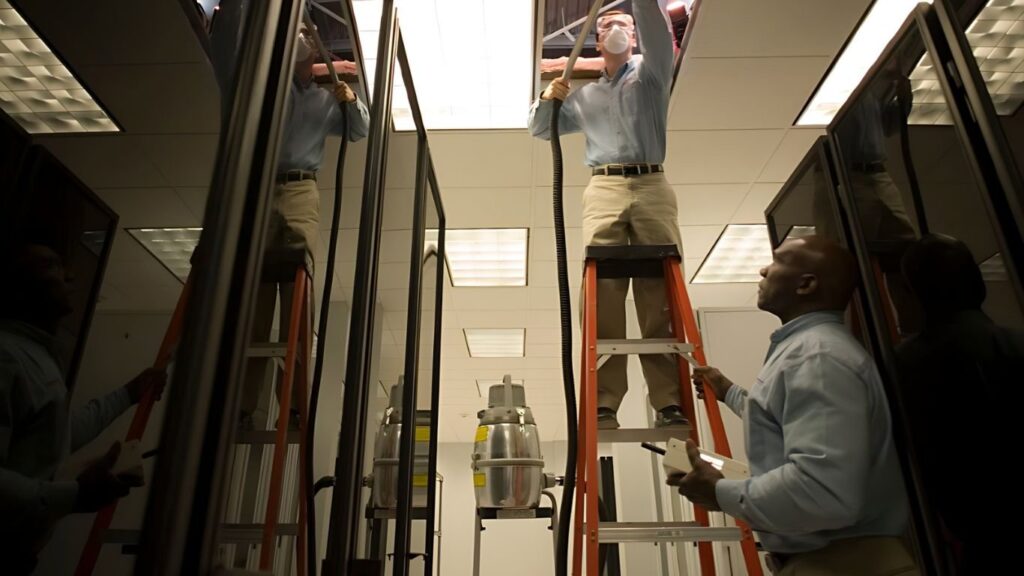
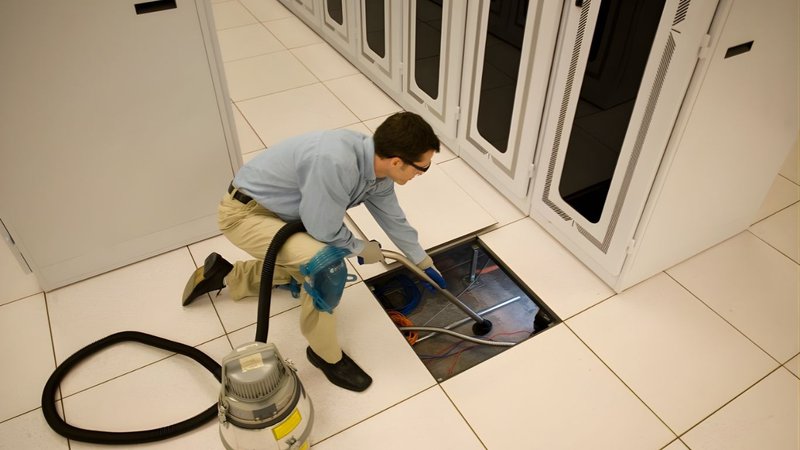
Professional contamination control services use specialized equipment, such as HEPA-filtered vacuums and controlled cleaning methods, to safely remove debris.
These services also help facility teams identify infrastructure issues, such as damaged panels, unstable pedestals, or airflow blockages.
Organizations operating mission-critical environments often partner with experienced providers like SET3 to maintain access flooring infrastructure and support reliable facility performance.
Supporting Long-Term Infrastructure Performance
As modern data centers and other critical environments evolve, access flooring infrastructure continues to play a key role in facility design. Regular inspections and maintenance keep airflow systems efficient, support organized cable routing, and maintain structural stability across the facility.
Facility teams that can identify different types of raised floor systems make more informed decisions about maintenance planning, upgrades, and environmental management within sensitive spaces.
A structured maintenance and contamination control program helps ensure access flooring systems remain clean, stable, and capable of supporting the performance requirements of mission-critical environments.
Common Types of Raised Floor Systems
Several types of raised floor systems are used across modern infrastructure environments. Each design supports different operational needs and structural requirements.
Stringer Raised Floor Systems
Stringer systems include horizontal metal bars, called stringers, that connect the pedestals beneath the floor panels. These bars provide additional stability and distribute loads across multiple panels.
Because of their reinforced structure, stringer systems are commonly used in environments with heavy equipment loads. The added stability also helps minimize panel movement during maintenance or equipment installation.
Corner-Lock Raised Floor Systems
Corner-lock systems use fasteners, such as bolts, to secure floor panels directly to pedestal heads. This configuration eliminates the need for stringers and creates a more rigid structural platform.
Corner-lock raised floor systems are often used in environments where vibration control is important. For example, certain data centers and cleanrooms require minimal structural movement to maintain equipment performance.
Free-Standing Raised Floor Systems
Free-standing systems rely on gravity rather than mechanical fasteners to hold floor panels in place. The panels simply rest on pedestal heads, making them easier to remove during maintenance.
This design is common in many traditional data centers because it allows technicians to quickly access cables and airflow systems beneath the floor.
However, free-standing systems require precise installation and leveling to maintain stability across the entire floor surface.
How to Identify the Type of Raised Floor in an Existing Facility
Determining the type of raised floor installed in a facility typically requires a careful inspection of both the floor panels and the structural components beneath them.
Inspect the Floor Panels
The first step is to remove a panel from a safe area of the floor. Examining the underside of the panel can reveal important information about its construction.
For example, technicians may observe:
- Panel material composition
- Reinforcement layers
- Locking mechanisms or brackets
- Panel thickness and weight
These details often provide clues about the manufacturer and type of raised floor system installed.
Examine Pedestals and Support Structures
Next, technicians should examine the pedestal supports beneath the panels. These adjustable metal pedestals determine the height and stability of the raised floor.
Look for indicators such as:
- Stringers connecting pedestals horizontally
- Bolt fasteners securing panels to pedestal heads
- Free-standing pedestal supports without connectors
These structural features help identify the raised floor configuration.
Evaluate Load Ratings and Structural Strength
Raised floor systems are designed with specific load ratings that determine how much equipment weight they can support. In facilities with high-density server racks, these ratings are especially important.
If the floor system was installed many years ago, it may not support modern equipment loads. In these cases, facility teams may need to upgrade or reinforce the access flooring infrastructure to maintain safe operations.
Managing Airflow and Contamination Beneath Access Flooring Systems
Because raised floor systems create a plenum beneath equipment racks, the subfloor environment must remain clean and unobstructed. Dust, debris, and cable congestion can interfere with airflow distribution.
When airflow pathways become blocked, cooling efficiency can decrease significantly. As a result, equipment temperatures may rise, increasing the risk of system failures or performance issues.
Routine maintenance practices help prevent these problems. Many organizations rely on specialized services, such as data center cleaning, to remove contaminants and maintain clear airflow pathways beneath raised-floor infrastructure.
Maintaining a clean subfloor environment also helps protect sensitive hardware from particulate contamination that can accumulate in equipment fans and cooling systems.
Why Professional Access Flooring Maintenance Matters
Maintaining raised floor systems requires specialized cleaning techniques and equipment. Standard facility cleaning methods can introduce additional contaminants into sensitive environments and may not effectively address particles that accumulate beneath the floor.
Professional contamination control teams use HEPA-filtered vacuum systems and controlled cleaning procedures designed specifically for critical infrastructure environments. These methods help remove particulate buildup while protecting sensitive equipment and maintaining proper airflow within the space.
In addition to cleaning, raised floor systems should be routinely inspected for potential structural concerns, including:
- Unstable pedestal supports
- Damaged floor panels
- Loose fasteners or stringers
- Airflow obstructions beneath the floor
Regular inspection and proper contamination control help ensure raised floor systems continue to support stable airflow, equipment reliability, and overall data center performance.
Supporting Long-Term Infrastructure Performance
As data centers and modern infrastructure continue to evolve, raised floor systems remain an important component of facility design. Proper identification and maintenance of these systems support cooling efficiency, cable management, and overall equipment stability. Understanding the type of raised floor installed in a facility also helps infrastructure teams plan maintenance, evaluate upgrades, and manage environmental conditions within critical spaces.
Maintain the performance and reliability of your critical environment. Connect with SET3 to discuss raised-floor maintenance and contamination-control strategies for data centers and other mission-critical facilities.