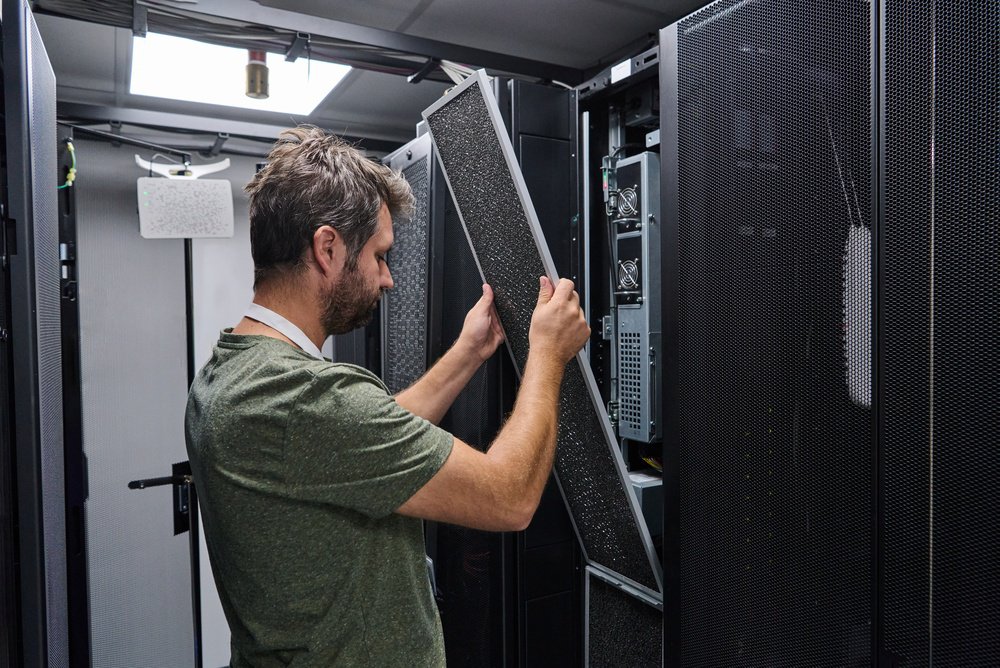
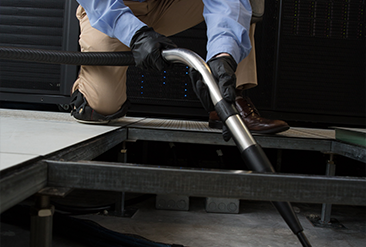
 There are two types of airborne contaminants that most data centers have to contend with: solid particles and gases. Even with a physical separation of equipment in a data center, industrial processes can produce unacceptable levels of particulate contamination in the form of airborne dust and gases, which can damage sensitive electrical components, and lead to costly repairs and replacements. Facilities that process petroleum, metal, food, paper and chemicals are particularly prone to such particulate damage which is why they use Products like gas analysers to keep a track of the air quality. euwinsg
IBM has posted an Environmental Design Criteria list that shows general ratings of their equipment in handling airborne contaminants, temperature and humidity, which conform with industry standards.
To determine if there is risk of airborne contamination of any sort at your facility, begin with a visual inspection. Look for rusting and corrosion on exposed metal, noticeable odors of airborne chemicals such as chlorine, ozone or sulfur, depending on possible by products of your industrial processes, and layers of dust on equipment. Additionally, a Data Center Cleaning company such as SET3 can conduct ferrous metal testing, humidity testing, airborne particle counts, and chemical testing.
SET3 can help keep your data center clean and safe from airborne contaminants. Proactive safeguards can save your company big on damaged equipment and down time. Learn more about Data Center Air Filtration Systems.