Who decides how often a data center should be cleaned and who should perform the cleaning?

Key Takeaways
Top manufacturers recommend data center cleaning at least bi-annually. SET3 explains why certified cleaning methods and ASHRAE/ISO standards are essential for uptime.
Data Center Manager
Question from: T.H. / Position: Facility Manager / February 6, 2012

Cleaning frequencies have traditionally been recommendations by the equipment manufacturers such as SUN, IBM and HP. Most manufactures recommend quarterly cleaning but give an absolute minimum of cleaning twice per year. These are spelled out in the facilities manuals for these manufactures along with warnings for using unqualified cleaning companies.

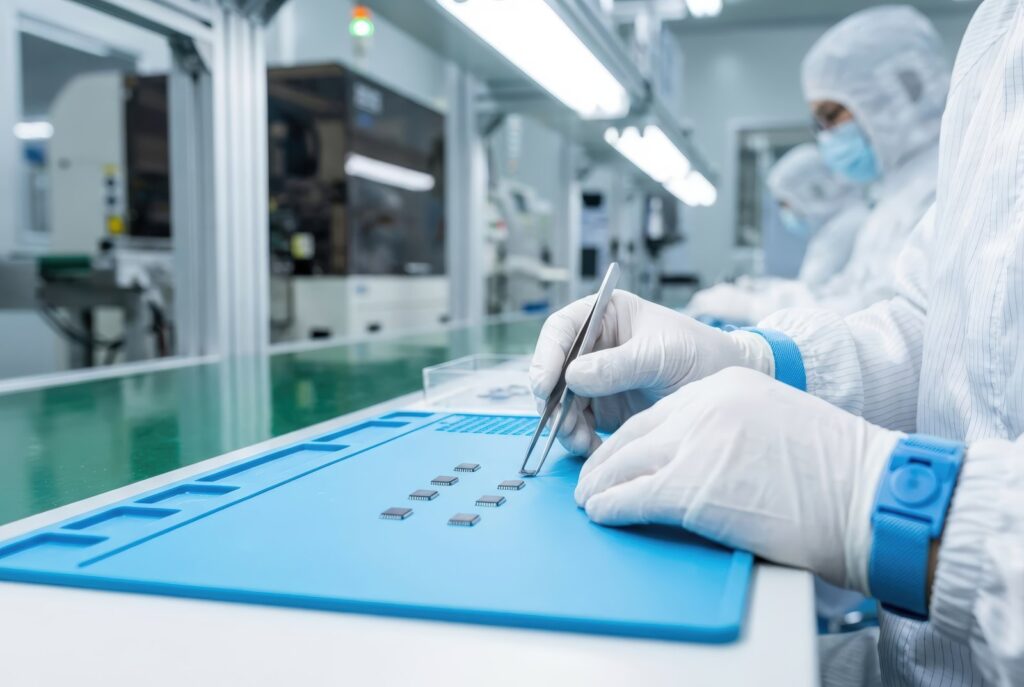
Only Data Center Cleaning specialty companies using special anti-static cleaning equipment and ESD clean room approved chemicals (made for use around sensitive electronic equipment) should be allowed to clean your data center. In 2009 ASHRAE added a data center clean air standards section to their guidelines. This adopted the ISO 14644-8 or federal standards cleas 10,000 clean air standards for a data center officially classifying a data center as a clean room for the first time.

In house janitorial services for normal office buildings are usually supplied by a contractor or in-house employees that are not trained for this type of cleaning / decontamination work. Common janitorial cleaning chemicals, equipment and wax [Data Center Floor Cleaning Best Practices] may make the data center look great now – but they will create chemical and physical transformations at microscopic levels causing corrosion, rust, static, overheating and hundreds of other problems leading to eventual downtime.

Since there are static, particulate, network signals and heat sources in the Data Center that can cause disastrous catastrophic loss of uptime to companies, cause fires and Indoor Air Pollution – there are several standards that help keep these environments safe including: ASHRAE, Federal Standard 209e (PDF), ISO 14644, NFPA, and IEST Standards.
Protect Uptime®

Cleaning & Decontamination

Air Quality
Testing

ASP
Subfloors

Critical Environment Consulting

AirWolfX Equipment Relocation

Shop
Products

USA | International

We serve Fortune 50 companies, government facilities, and local counties and municipalities nationwide.

Picture of About the Author: Brian P. Hoffman

About the Author: Brian P. Hoffman

Brian P. Hoffman is a National Company Liaison with more than 30 years of experience supporting HVAC infrastructure for mission-critical facilities. His work focuses on the integration, commissioning strategy, and operational performance of mechanical systems in environments where reliability and environmental control are essential, including data centers, laboratories, healthcare facilities, and advanced manufacturing operations.
Brian’s experience includes HVAC controls integration, commissioning practices, and lifecycle service strategies that help organizations maintain uptime and system reliability while adapting to changing thermal management demands in modern data center and laboratory environments. His work often focuses on the intersection of system design, operational performance, and long-term infrastructure planning.

Brian holds EPA Universal Refrigerant certification, commissioning and air balancing credentials, OSHA safety certifications, and the Wisconsin Health Care Engineering Association’s Health Care Construction Certificate. He is a graduate of the University of Wisconsin and a member of the Institute of Environmental Sciences and Technology (IEST). Through his writing and industry engagement, Brian shares insights on mechanical reliability, thermal management, and infrastructure strategy in critical facilities.

Recent Blog Posts

Contact Us

How Can We Help?

We provide services across the United States, the United Kingdom, and the Asia Pacific rim. Contact us today to find out how we can bring you peace of mind, money savings, and experienced consulting for your critical environment needs. Our online contact form was built to handle a wide variety of requests to better serve you. Please complete the contact form, and we will contact you shortly regarding your needs.

Your benefits:
What happens next?
1

We review your inquiry and assign a case specialist.

2
We schedule an introductory call at your convenience.
3

We evaluate your needs and determine next steps.

Request An Introductory Call