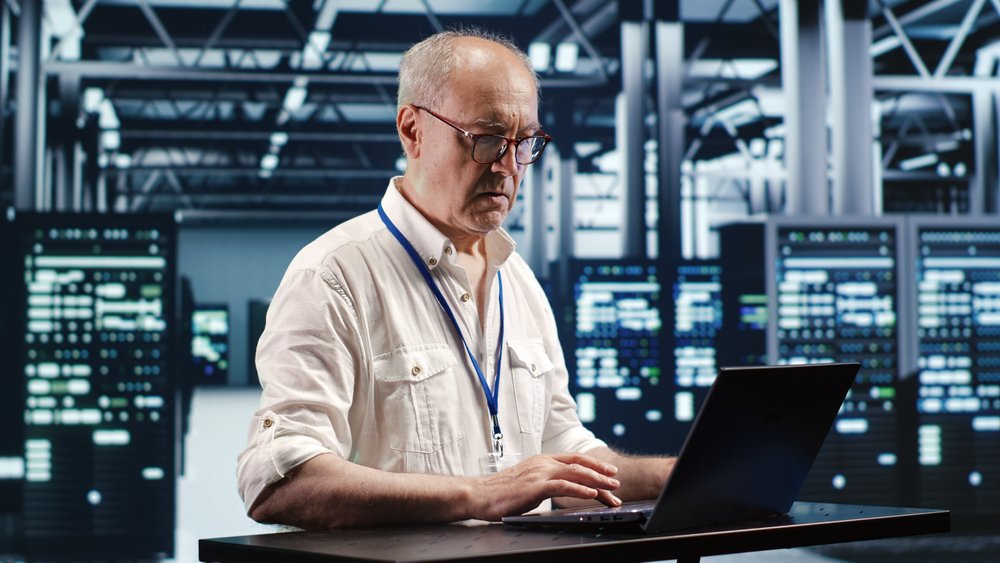
A fire suppression system activates in a data center at 2 a.m. No servers go down. The agent does its job, the fire is out, and the all-clear comes within the hour. By morning, the facility manager is looking at equipment coated in residue and a subfloor soaked in suppression agent. The fire is over. The critical environment disaster recovery work is just beginning.
This plays out in data centers and cleanrooms all the time. Disaster events don't end when the threat does. Fire, smoke, flood, mold, zinc needles, and airborne pollution each leave contamination that can damage equipment, break compliance, and put staff at risk. Recovery is technical, time-sensitive, and specific to the event type. Knowing what each one leaves behind is the difference between a fast recovery and a long one.
This guide covers the main disaster types that affect critical environments, what each one leaves behind, and what a sound recovery protocol looks like.
Fire and Smoke: What Stays After the Flames Are Out
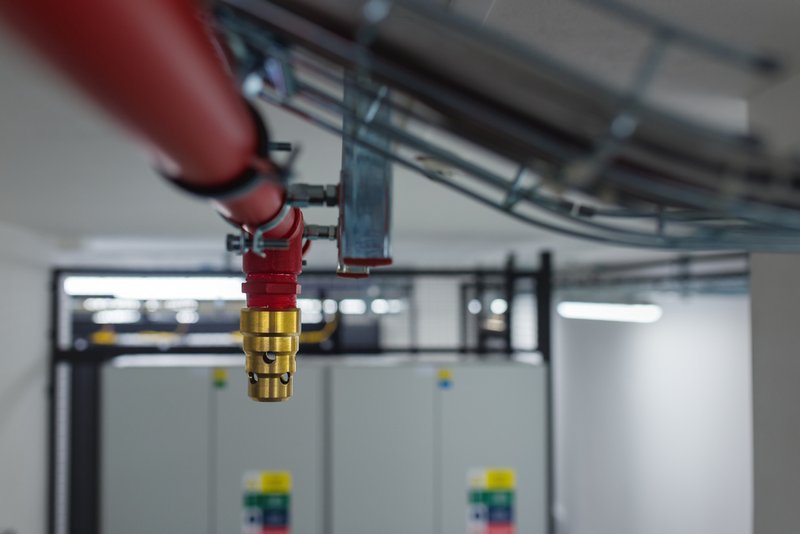
Fire damage in a critical environment rarely looks like what people expect. In a protected facility, the suppression system fires before structural damage occurs. What stays behind isn't charred equipment. It's a layer of chemical residue on every surface the suppression agent reached.
Most gaseous suppression agents release compounds that coat circuit boards, power units, floor tiles, and cable trays. This residue is corrosive. Left in place, it speeds up component failure and raises the risk of electrical faults. It is also invisible on a casual walkthrough. Facilities that skip post-suppression cleaning may not find the problem until equipment starts failing months later. Most operators assume a suppression event ends cleanly once the all-clear is given. The residue problem is invisible and rarely shows up in standard post-event inspections that focus on hardware status rather than surface chemistry.
Smoke adds to this. Even where fire is stopped quickly, smoke particles travel through return air paths and settle on surfaces throughout the whole facility. Thermal paper, common in printer and labeling equipment, releases acid when it burns. These acids attack metal surfaces and must be treated as part of the critical environment disaster recovery.
SET3's post-fire cleaning services handle both residue types using static-dissipative chemistry built for sensitive electronics. Recovery covers surface decontamination, interior server cleaning, subfloor treatment, and air quality certification before the facility returns to service. Every engagement closes with a certified particle count report documenting the post-recovery condition of the space.
Flood and Water Intrusion
Water intrusion in a critical environment creates two problems. The first is immediate risk from electrical contact. The second is contamination and structural damage if the space isn't dried and treated fast.
Standing water in a raised floor environment soaks subfloor insulation, corrodes pedestal bases, and creates mold conditions within 24 to 48 hours. Water carrying sediment or chemical contamination from outside adds a third layer. Each type calls for a different response. Acting on all three as a single cleanup event is one of the most common ways water recovery fails.
The 24- to 48-hour window for mold growth is not a guideline. It is the actual biological timeline. Teams that wait for a full damage assessment before beginning drying often find mold already present when remediation starts.
Recovery from water events follows a fixed order: remove standing water, dry the subfloor and structural elements, assess corrosion, treat for mold, and certify air quality before equipment returns. Skipping the mold treatment step is a common shortcut that turns into a compliance problem later.
SET3's critical environment disaster recovery services cover the full sequence, from subfloor drying through air quality certification via environmental testing.
Mold in Critical Environments
Mold doesn't need a flood to appear somewhere. HVAC failures, cooling system condensation, and slow roof leaks can all build the humidity mold needs to grow. In a data center, mold contaminates airflow and puts equipment and staff at risk. In a pharmaceutical cleanroom, mold is a regulatory event. It requires a remediation and recertification process with FDA-standard documentation before production can resume.
Remediation in a critical environment is not the same as in a standard building. Protocols are stricter, documentation requirements are higher, and the chemistry must be safe for sensitive electronics and regulated surfaces. SET3's consulting services support assessment and recovery planning for mold events in both data center and cleanroom settings. Without the right planning, mold remediation that looks complete on the surface often fails to clear contamination from airflow paths and subfloor spaces where spores take hold.
Zinc Needle Contamination
Zinc needles are one of the least recognized hazards in older facilities. They form when galvanized steel components, including floor stringers, pedestal hardware, and cable trays, corrode over time. In addition, the corrosion produces tiny conductive particles that shed into the air and settle on flat surfaces.
When these particles land on circuit boards or inside server chassis, they create short circuits. Failures from zinc needles are hard to diagnose because the needles are too small to see. Equipment fails from what looks like random faults with no visible source. Facilities with older galvanized infrastructure that have never had a zinc needle assessment are likely carrying some level of this contamination already.
Remediation requires specific tools. Standard vacuuming spreads the particles instead of capturing them. The process needs HEPA filtration, electrostatic containment, and top-to-bottom cleaning from ceiling to subfloor. SET3's data center testing services provide pre- and post-remediation particle counts that document the full recovery.
Airborne Pollution and Particulate Events
Not every disaster is a single event. Wildfire smoke, nearby construction dust, industrial pollution, and HVAC filter failures can all deposit harmful particles throughout a critical environment over time. These events build gradually. Elevated particle counts at 0.5 microns, without an obvious cause, often point to a filtration failure or outside infiltration. Meanwhile, regular particle count testing between disaster events also catches contamination before it reaches a level that affects equipment. As a result, it turns recovery into a much smaller scope of work.
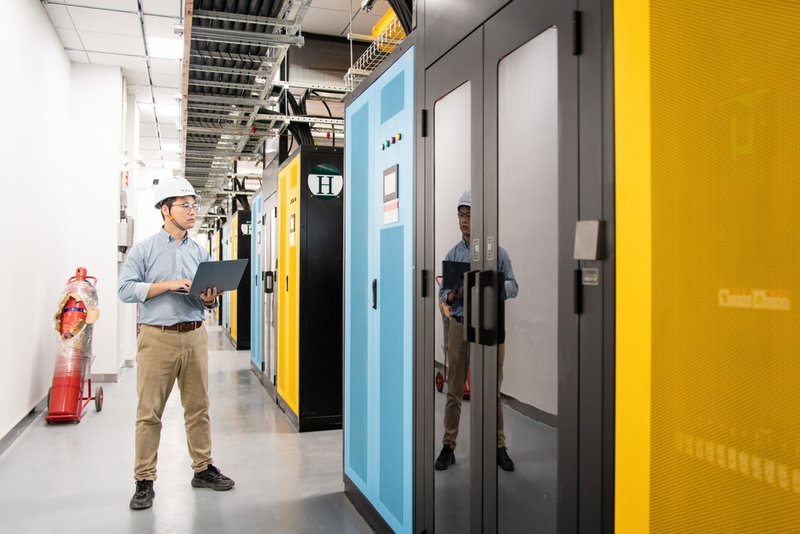
Recovery starts with source control, not cleaning. Working on a space still exposed to contamination resets the clock. After addressing the source, a Full Service Clean at 0.3 microns clears particles from surfaces, subfloor, and plenum areas. Afterward, post-clean counts confirm the environment has returned to its certified class. In particular, IEST contamination control standards define the remediation benchmarks that sound recovery protocols are built around.
What Every Critical Environment Disaster Recovery Has in Common
Across all these events, three things hold true.
First, recovery starts with assessment, not action. Moving before fully understanding the full scope of contamination leads to incomplete remediation and repeat failures.
Then, documentation remains as important as the physical work. Regulated environments need certified records of the event, the remediation steps, and the post-recovery air quality status. The NFPA 75 standard for the fire protection of IT equipment addresses post-event cleanup requirements specifically, and a recovery program built around it gives regulated facilities a solid documentation basis.
Finally, the recovery team has to fit the space. Critical environments need specialized chemistry, certified tools, and staff who know the compliance rules of the space they are working in.
SET3's disaster recovery services cover data centers, cleanrooms, labs, and government facilities across the United States. Every engagement produces the certified documentation needed to return the facility to its operational status. To discuss a recovery event or build a contingency plan before one occurs, contact us to learn more or request a quote.