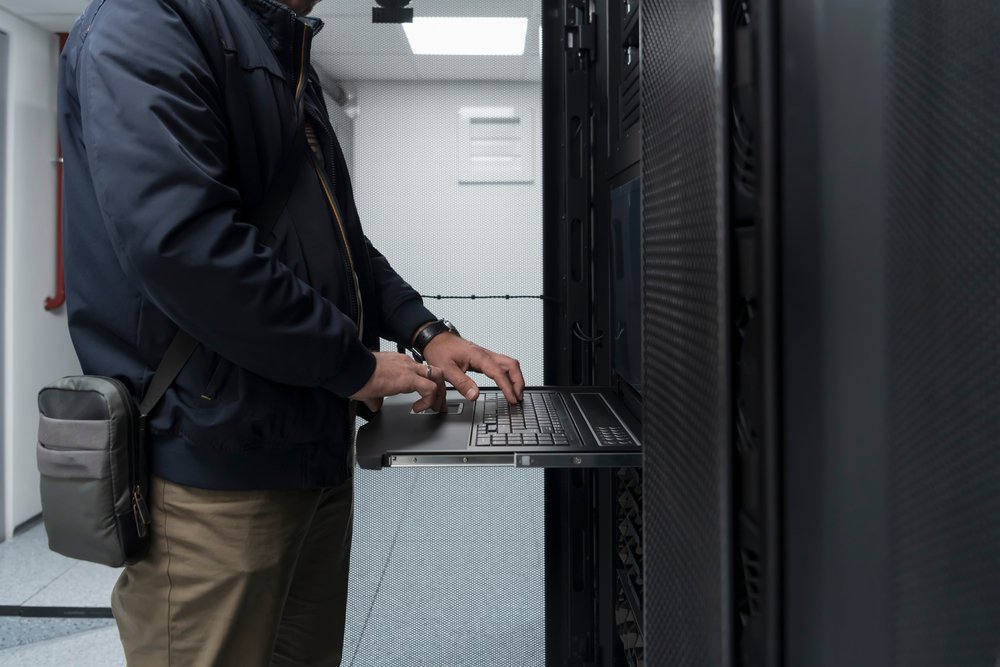
Global data center capacity is on track to more than double between 2023 and 2030. Most of that growth won't come from building new facilities. It will come from expanding and densifying existing ones. That reality puts scalability squarely in front of the operators and engineers managing data center products and solutions right now.
Scalability isn't one decision. It's a series of choices about floor capacity, airflow, power, and equipment that build on each other over time. Facilities that treat each product or service as a separate purchase tend to hit friction as they grow. The floor can't support the new rack density. Airflow can't keep up with the new thermal load. The cleaning schedule wasn't built for the new traffic level. Treating data center products and solutions as one integrated system heads off most of these problems before they develop.
This article covers how that integrated approach works in practice and what it means for the most common scalability challenges data centers face.
How Integration Changes the Picture for Data Center Products and Solutions
Integration here doesn't mean buying everything from one vendor. It means selecting products and services with a shared understanding of how each element affects the others. It also means working with a partner who can see across the full picture, rather than one who optimizes a single component without visibility into the rest.
A raised floor that doesn't account for planned AI hardware load needs replacement sooner than expected. A cleaning program that doesn't scale with density lets contamination build until it affects performance. An airflow setup that doesn't reflect the current tile layout leaves hot spots in the wrong places. A facility that upgrades its floor for higher load without updating its airflow tile layout to match is a clear example. The floor handles the weight. The cooling still falls short. Each gap is small on its own. Together, they push a facility toward a scalability ceiling earlier than expected, and generate more reactive work than a proactive approach would require.
Raised Floor Systems as the Physical Foundation
The raised floor is the base that everything else sits on. Getting it right from the start, and updating it as density increases, is the first scalability requirement.
SET3 sources access floor systems through its exclusive ASP partnership. Typical turnaround is 8 to 12 weeks versus up to 26 weeks for competing suppliers. That lead time difference matters most during rapid expansion phases, when floor procurement can delay rack deployment. For facilities adding density in stages, a supply chain partner who delivers on shorter timelines keeps project schedules intact.

Load requirements also shift as hardware evolves. Modern AI server racks are far heavier than the previous generation. A floor designed for 5 kW per rack may not meet load ratings at 20 to 30 kW. Corrosion on pedestal hardware is another variable that changes the load picture over time. Older systems warrant an inspection before heavier hardware goes on top. SET3's subfloor installation services include a load assessment on every project, confirming tile ratings, pedestal ratings, and slab capacity all align before hardware arrives. For facilities replacing floors with live equipment in place, the AirWolfX service handles floor replacement without scheduling downtime.
SET3 is also GSA approved, which means its services are available through federal procurement channels. Government facilities and regulated environments can work with SET3 without going through a separate vendor qualification process. That removes one more procurement barrier for large-scale deployments.
Airflow Management as a Scalability Variable
Airflow needs shift with density. A tile layout right for one rack configuration may not suit the facility two expansion phases later. Blanking panel coverage that fit one population level may no longer match the current rack layout. Cable cut-outs sealed at installation may have had cables run through them later, leaving gaps that bleed plenum pressure.
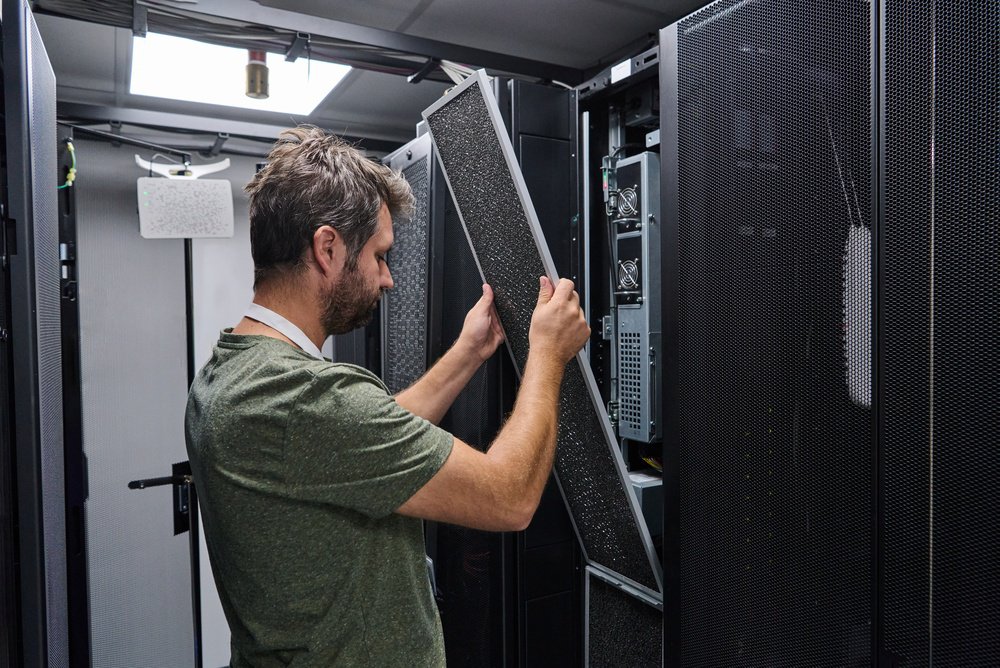
When facilities treat airflow accessories as items that get replaced only when something fails, they miss the link between blanking discipline and CRAH unit performance. A gap in a rack face doesn't just let hot air recirculate. It raises inlet temperatures throughout the aisle, forces fans to spin faster, and adds thermal load to a cooling system that may already be working near its design capacity. Keeping blanking coverage current is as much a cooling maintenance task as it is a housekeeping one.
SET3 supplies and installs the full range of airflow management products, including perforated airflow tiles, EziBlank blanking panels, and Koldlok grommet seals. Sourcing these from the same partner managing floor installation and cleaning means changes to one part of the system get assessed for their effect on the others. That visibility is what makes integrated management different from parallel procurement. A density increase that calls for new tile placement also gets reviewed for its impact on blanking and grommet coverage, rather than treated as a separate follow-up.
Cleaning Programs That Scale With the Facility
Cleaning frequency and scope need to grow alongside facility traffic and density. A quarterly Full Service Clean right for a lightly loaded facility may not hold up for one running AI workloads at high density with daily service activity.
SET3's cleaning services cover three tiers: routine maintenance for ongoing contamination control, Full Service Cleans for deep particle removal at 0.3 microns, and specialized services for contamination events. As a facility scales, the right mix of these tiers shifts. A partner who knows the full facility, from subfloor condition to rack configuration, can match the program to actual conditions rather than a fixed schedule that doesn't reflect the current environment.
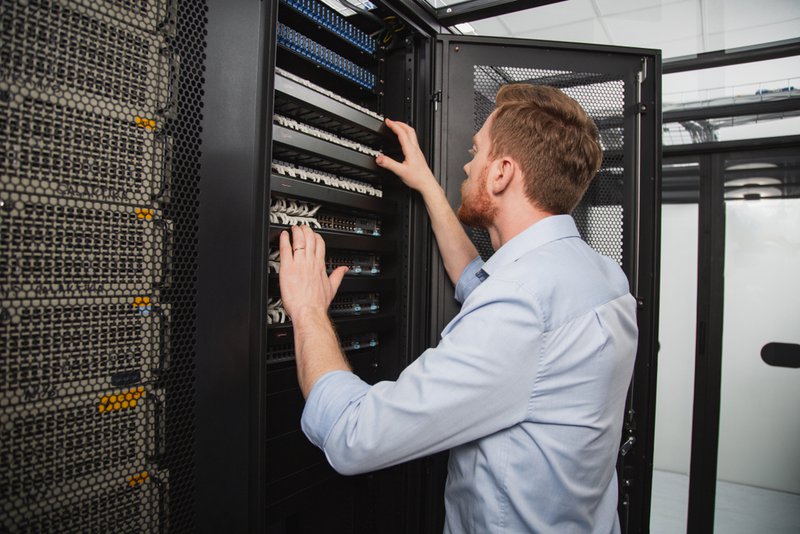
Post-construction cleaning is also part of the scalability picture. Every new phase of floor installation, cabling, or equipment deployment brings construction debris and fine particulates that routine maintenance programs aren't designed to remove. SET3's post-construction cleaning services clear these before equipment goes live.
Environmental Testing as a Scalability Checkpoint
Each expansion phase changes the environmental baseline. New floor sections, racks, cable routes, and power loads all affect particle distribution and airflow. Testing after each expansion confirms the new setup meets the facility's certified cleanliness class and creates a documented baseline for the next phase.
SET3's data center testing services produce certified particle count reports and airflow documentation after every engagement. Over a multi-phase expansion, these build a record of how environmental status changed with each phase. That record supports both internal planning and external compliance reviews.
SET3 Is Your Source for Integrated Data Center Products and Solutions
Individual product and service decisions are easier to get right when someone can see the full facility. SET3's consulting services cover airflow modeling, contamination source analysis, power quality assessment, and compliance audit preparation. These inform floor system selection, cleaning program design, and airflow management in ways that standalone procurement can't match. For facilities planning multi-phase expansions, a consulting engagement before each phase is the lowest-cost way to avoid the mismatch problems that accumulate when decisions are made independently.
Before its next expansion phase, a well-run facility should know that its floor tuning is due, that its tile layout needs adjustment, and that its cleaning cadence needs to increase. Facilities that have this visibility manage scalability ahead of the problem rather than behind it. According to Uptime Institute's annual outage analysis, resiliency improvements are driven partly by better-maintained equipment and consistent investment in facility management. That's the operational foundation that integrated data center products and solutions provide.
To find out how SET3's approach applies to your facility's next growth phase, connect with our team to learn more of our data center products and solutions.