Stable environmental conditions are essential for maintaining a reliable IT infrastructure. Maintaining a consistent server room temperature helps ensure that servers, storage systems, and network equipment operate within safe thermal limits. When temperatures fluctuate, electronic components experience additional stress that can shorten their operational lifespan.
Consistent temperature control prevents unnecessary strain on electronic components while allowing cooling systems to operate efficiently. When temperature levels repeatedly rise and fall, equipment experiences thermal stress that can gradually shorten its operational lifespan.
Understanding how temperature fluctuations affect hardware performance enables organizations to implement more effective environmental management strategies to protect critical infrastructure.
Why Stable Server Room Temperature Matters
Electronic equipment in a server room generates heat continuously during operation, requiring cooling systems to remove it and maintain stable temperatures. When temperatures remain consistent, components operate within predictable thermal limits. Frequent temperature swings, however, cause materials inside servers to repeatedly expand and contract as they heat and cool.
Over time, these thermal cycles place stress on solder joints, connectors, and circuit board materials. This gradual strain can weaken internal connections and contribute to long-term equipment degradation. Maintaining stable environmental conditions helps minimize thermal stress, supports reliable hardware performance, and extends the operational lifespan of critical data center infrastructure.
Thermal Stress and Hardware Degradation
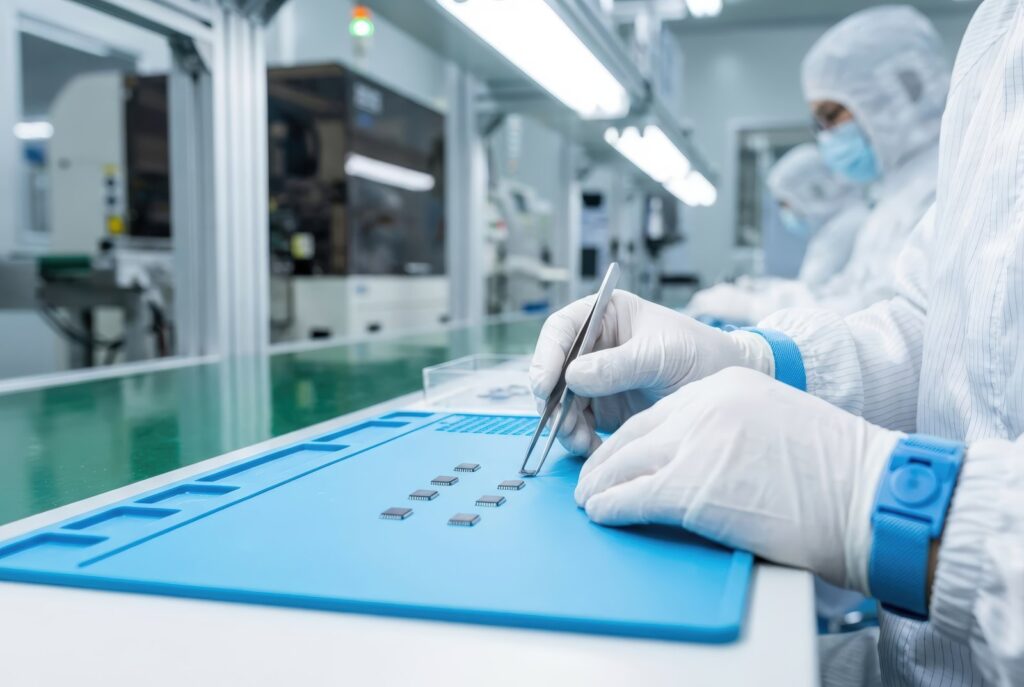
Thermal stress occurs when electronic components experience frequent temperature fluctuations. Each time the server room temperature rises or falls, internal materials expand and contract. While these changes are microscopic, repeated thermal cycles gradually place strain on electronic assemblies.
Solder joints that connect components to circuit boards are particularly vulnerable to thermal fatigue. As this stress accumulates over time, equipment may develop intermittent failures, reduced performance, or shortened operational lifespans. Maintaining consistent temperature control helps limit thermal cycling and supports the long-term reliability of critical hardware.
Airflow Management and Temperature Stability
Airflow distribution plays a key role in maintaining stable temperature conditions inside server rooms. Cooling systems deliver conditioned air to equipment racks, where it absorbs heat generated by servers, then returns to the cooling units for reconditioning. This continuous circulation helps regulate temperature and prevent equipment from overheating.
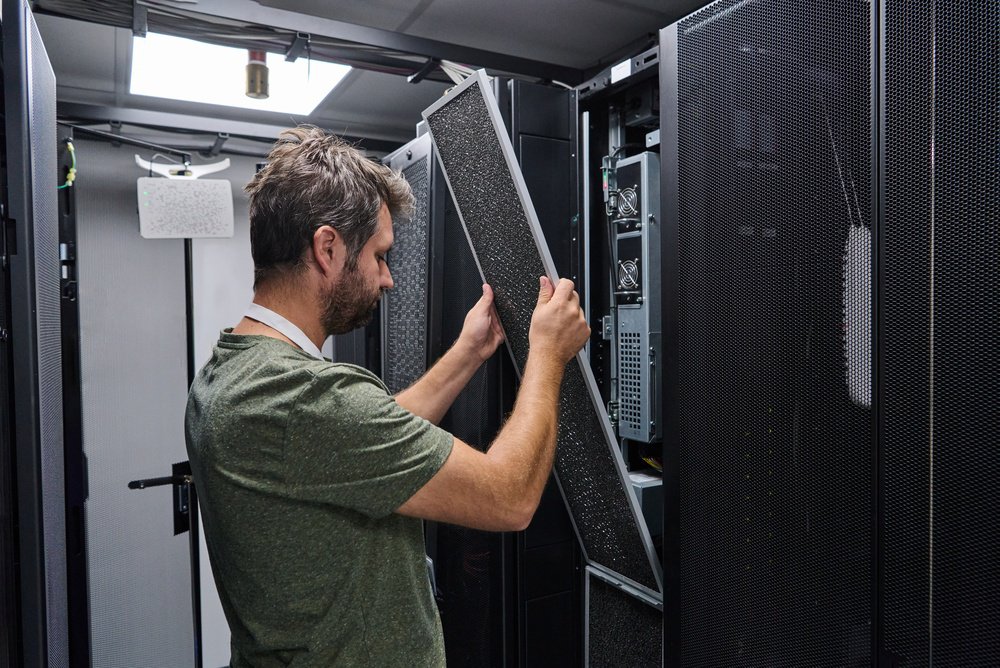
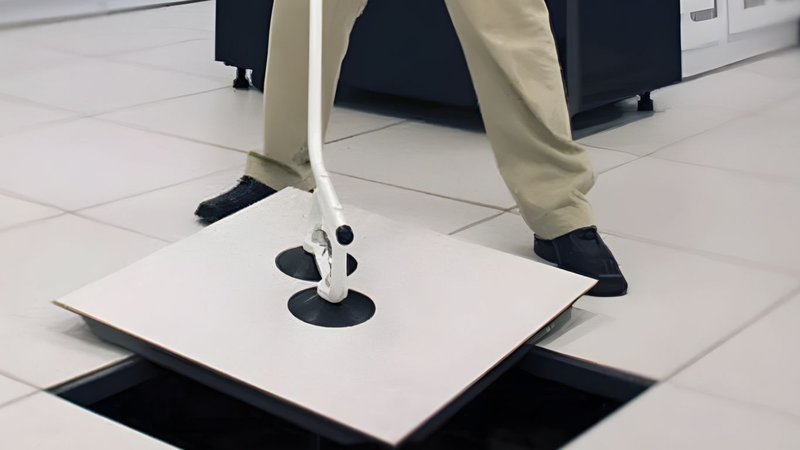
However, airflow pathways can become obstructed by debris, cable congestion, or infrastructure changes. When airflow is restricted, cooling air may not reach all equipment evenly, creating localized hot spots. Maintenance activities such as subfloor cleaning help remove debris beneath raised infrastructure systems and restore proper airflow distribution. Keeping airflow pathways clear allows cooling systems to operate efficiently and supports stable server room temperatures throughout the environment.
Cooling System Performance and Server Room Temperature
Cooling systems play a central role in maintaining stable server room temperatures. Precision cooling equipment removes heat generated by servers, power supplies, and networking hardware while circulating conditioned air across equipment rows. As computing workloads increase, heat generation inside the server room also rises, requiring cooling infrastructure to respond quickly to maintain consistent environmental conditions.
When cooling systems operate efficiently, and airflow pathways remain clear, cooled air can reach equipment evenly and prevent localized hot spots. However, restricted airflow or inefficient cooling equipment can lead to temperature imbalances across the room. Routine infrastructure maintenance, including practices such as subfloor cleaning, helps remove debris that may obstruct airflow beneath raised flooring systems. Maintaining clear airflow pathways allows cooling systems to distribute air effectively and sustain stable server room temperatures.
Environmental Contamination and Cooling Efficiency
Dust accumulation and environmental contamination can reduce cooling performance in server rooms. Airborne particles that settle on equipment, cooling components, or airflow pathways can interfere with heat dissipation and restrict the movement of conditioned air.
When contamination builds up inside airflow pathways, cooling efficiency may decline and temperature fluctuations can occur across the facility. Routine environmental maintenance and specialized cleaning for controlled infrastructure environments help remove accumulated particles, allowing cooling systems to operate more effectively and maintain stable temperature conditions.
Monitoring Server Room Temperature
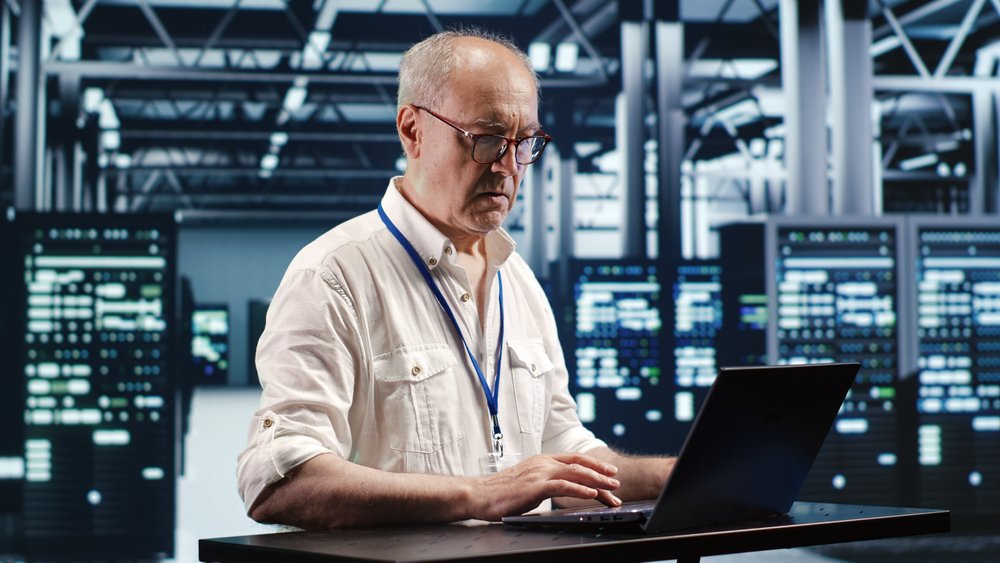
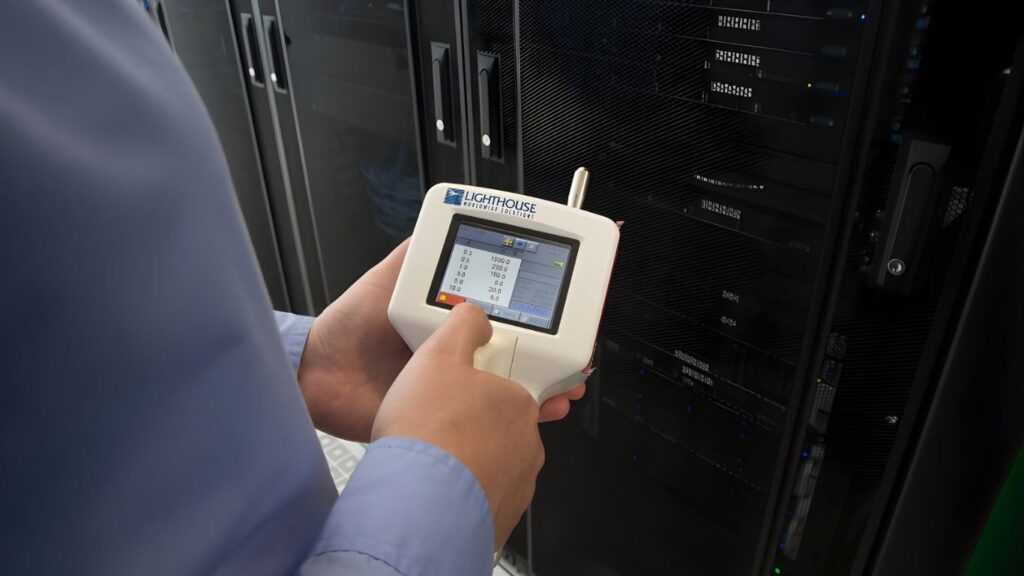
Continuous monitoring is essential for maintaining stable environmental conditions inside server rooms. Modern facilities typically use environmental monitoring systems that track temperature and humidity levels throughout the space.
Sensors placed near equipment racks help facility teams detect temperature changes before they affect hardware performance. Monitoring systems also allow teams to identify airflow problems or cooling system inefficiencies that may cause temperature fluctuations.
The Impact of Equipment Density on Server Room Temperature
Server room environments have evolved as computing demands continue to increase. Modern servers generate significantly more heat than earlier hardware generations, placing greater pressure on cooling systems to maintain stable temperature conditions.
High-density equipment racks concentrate large heat loads within small areas of the facility. When multiple high-performance servers operate in the same rack, cooling systems must remove substantial heat to prevent localized hot spots. Uneven airflow distribution can allow temperatures to rise in certain areas, increasing strain on electronic components.
Managing equipment density requires careful airflow planning and environmental monitoring. Ensuring that cooling air reaches high-density equipment zones helps maintain stable server room temperatures and reduces the risk of long-term hardware degradation.
Preventing Temperature Fluctuations
Preventing fluctuations in server room temperature requires coordinated environmental monitoring, infrastructure maintenance, and effective airflow management. Cooling systems must continuously remove heat while airflow pathways remain clear so that conditioned air can reach equipment evenly.
Facility teams often maintain stable conditions by focusing on several practices:
- Ensuring cooling systems operate efficiently
- Keeping airflow pathways unobstructed
- Monitoring temperature and humidity continuously
- Performing routine infrastructure cleaning
- Inspecting cooling equipment regularly
Together, these measures help maintain consistent temperature conditions and protect sensitive IT equipment from thermal stress and performance disruptions.
Monitoring Systems and Environmental Stability
Continuous monitoring is essential for maintaining stable server room temperature conditions. Environmental monitoring systems track temperature, humidity, and airflow performance throughout the facility, providing real-time insight into how cooling systems are performing.
Sensors placed near equipment racks allow facility teams to detect temperature fluctuations early and respond before hardware performance is affected. Monitoring data can also reveal issues such as airflow obstructions, contamination within cooling pathways, or infrastructure changes that may disrupt cooling efficiency.
Combining environmental monitoring with proactive infrastructure maintenance helps maintain stable airflow and temperature conditions. These practices support reliable cooling performance and protect equipment from temperature-related stress.
Supporting Long-Term Infrastructure Reliability
Maintaining stable server room temperatures is essential for protecting the longevity and reliability of data center equipment. Consistent temperature control reduces thermal stress on electronic components and allows hardware to operate under predictable conditions.
Facilities that actively monitor environmental conditions, maintain airflow infrastructure, and perform routine environmental maintenance can significantly extend equipment lifespans. Stable temperature management also helps reduce unexpected hardware failures and allows cooling systems to respond more effectively to changes in computing workloads.
Contact SET3 to discuss environmental maintenance and infrastructure optimization strategies that support stable server room conditions and reliable data center performance.