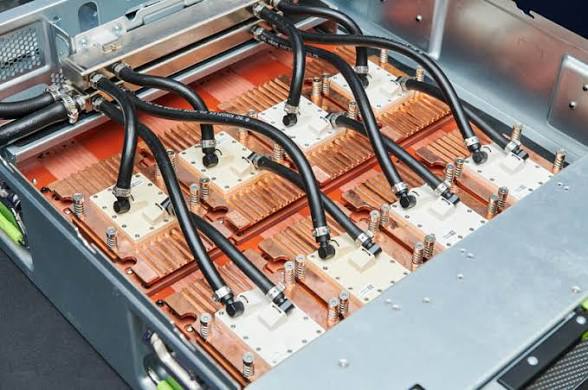
Glycol Cleaning for Liquid-to-Chip Data Centers
A “cleaned up” glycol spill isn’t clean.
A “cleaned up” glycol spill isn’t clean.
When a coolant loop leaks in your white space, the visible spill is only half the problem.
Glycol residue left behind at the micro level — in floor seams, under tiles, in the subfloor plenum, on equipment surfaces — keeps working long after the mop bucket is put away.
It attracts moisture, holds dust, and quietly drives corrosion and pitting on the very infrastructure you’re trying to protect.
If your facility has had a glycol event — last week or last year — talk to us about verification and remediation.
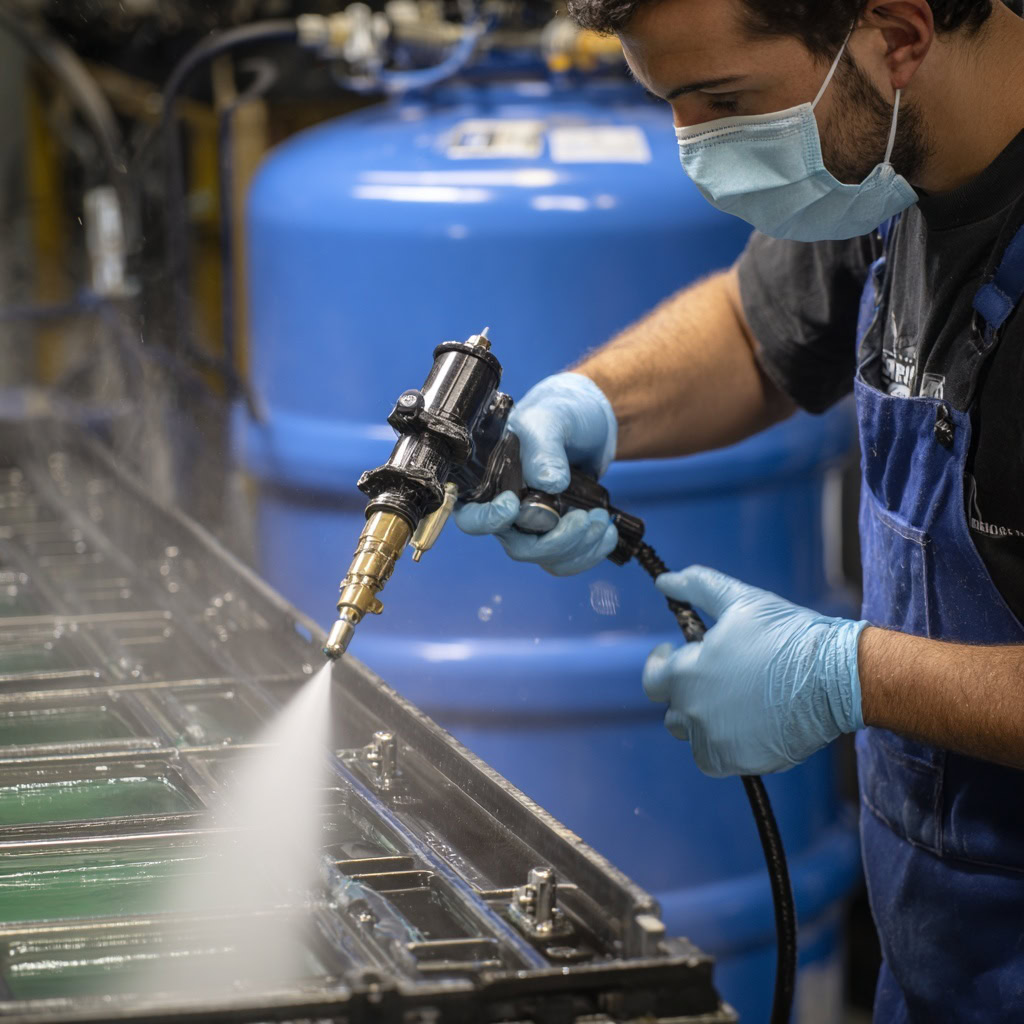
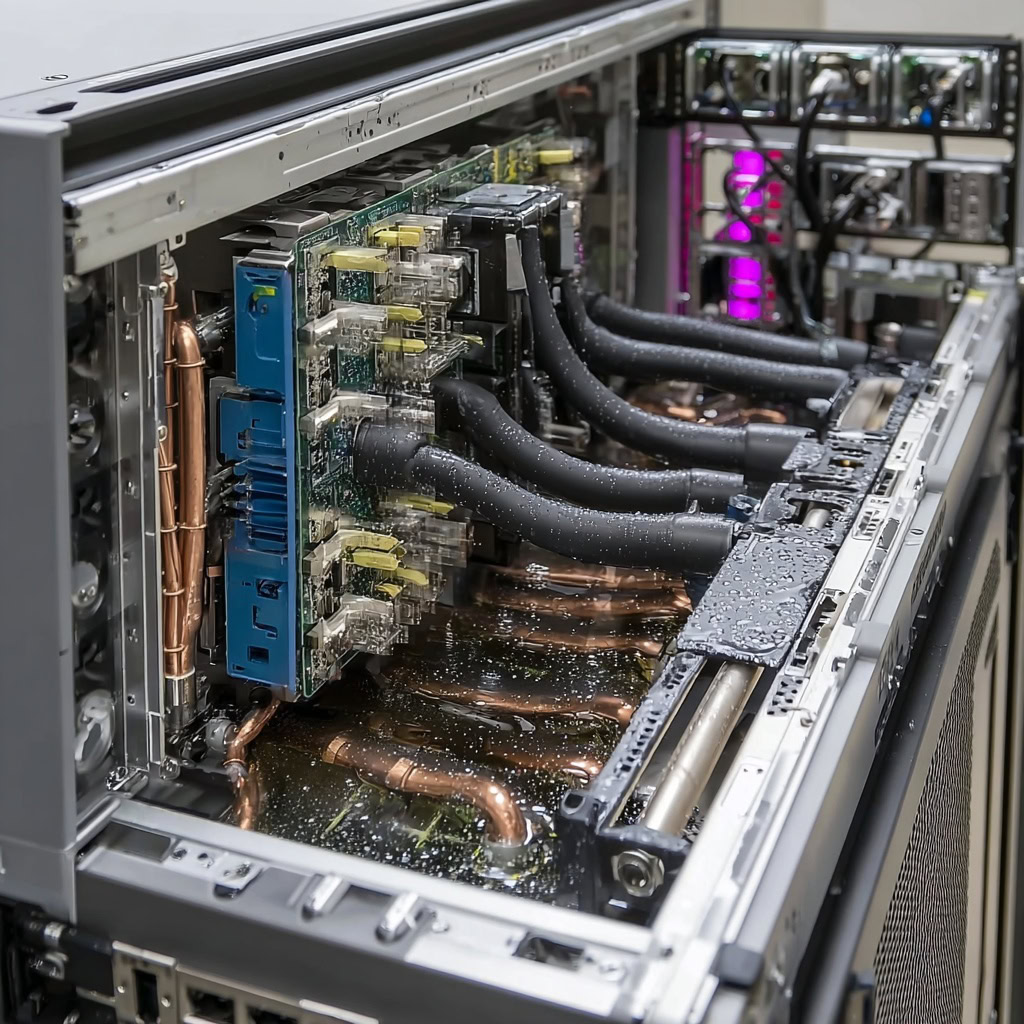
The Invisible Residue Problem
You wiped it up. You can still lose equipment to it.
Glycol doesn’t evaporate cleanly like water. It leaves a thin, tacky, hygroscopic film that pulls humidity out of the air and binds airborne particulate to surfaces.
Over time, that film becomes an electrolyte layer — exactly the condition that accelerates galvanic corrosion, pitting, and creeping surface contamination on metal components, floor understructure, and cabling infrastructure.
A visual “all clear” is not a clean surface.
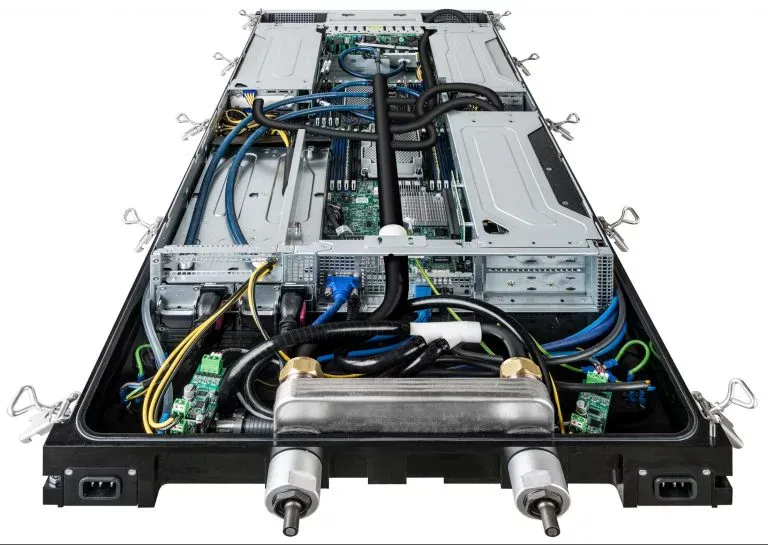
The Subfloor Is Where Spills Go to Hide
Gravity doesn’t stop at the raised floor.
Glycol that reaches a tile seam or cable cutout ends up in the plenum — pooling on the slab, coating pedestals and stringers, and sitting directly in your supply airstream.
Residue in the plenum doesn’t just corrode the understructure that holds your floor up; it contaminates the air path feeding your equipment. SET3 has cleaned data center subfloors for over 25 years.
Liquid cooling in your data center? Get a spill-response plan before you need it.
Why Glycol Gets Worse With Time
Glycol degrades — and its breakdown products are acidic.
Aged or heat-stressed glycol breaks down into organic acids. A residue spot that seemed harmless at the time of the spill becomes progressively more corrosive as it ages in place.
That’s why facilities often discover pitting on floor pedestals, stringers, and equipment bases months after an incident everyone thought was resolved.
The sooner residue is properly removed, the less damage it does.